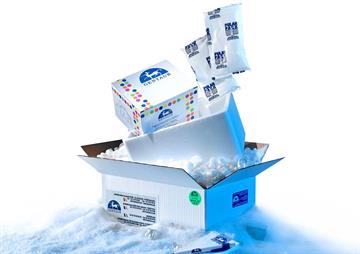
- EXPRESNÉ DORUČENIE DO 24–48 HODÍN
NUDT6 Rabbit Polyclonal Antibody
Cena : Požiadajte o cenovú ponuku
1
This gene overlaps and lies on the opposite strand from FGF2 gene| and is thought to be the FGF2 antisense gene. The two genes are independently transcribed| and their expression shows an inverse relationship| suggesting that this antisense transcript may regulate FGF2 expression. This gene has also been shown to have hormone-regulatory and antiproliferative actions in the pituitary that are independent of FGF2 expression. Alternatively spliced transcript variants encoding different isoforms have been found for this gene.
Detaily produktu
Katalógové čísloBT-AP11607-20ul
KategóriaObchod a priemysel > Veda a laboratorium
DodávateľJiaxing Korain Biotech Ltd (BT Labs)
Veľkosť20ul
Typslobodný
Ref: BT-AP11607-100ul
NUDT6 Rabbit Polyclonal Antibody
Ref: BT-AP11607-50ul
NUDT6 Rabbit Polyclonal Antibody
Ref: E10G02142
NUDT6 Rabbit Polyclonal Antibody
Ref: E10G09116
NUDT6 Rabbit Polyclonal Antibody
Ref: MBS8569196-01mLAF405L
NUDT6 Polyclonal Antibody
Ref: E10G09121
NUDT10 Rabbit Polyclonal Antibody
Najnovšie články
14
júl
Gene knockout
V roku 2007 získali Nobelovu cenu za fyziológiu alebo medicínu Mario R. Capecchi (USA), Sir Martin E...
Čítať viac
14
júl
Biologicke lieky – moderna era vo farmacii
Trh s farmaceutickymi a biologickymi liekmi ponuka siroku skalu pripravkov urcenych na liecbu mnohyc...
Čítať viac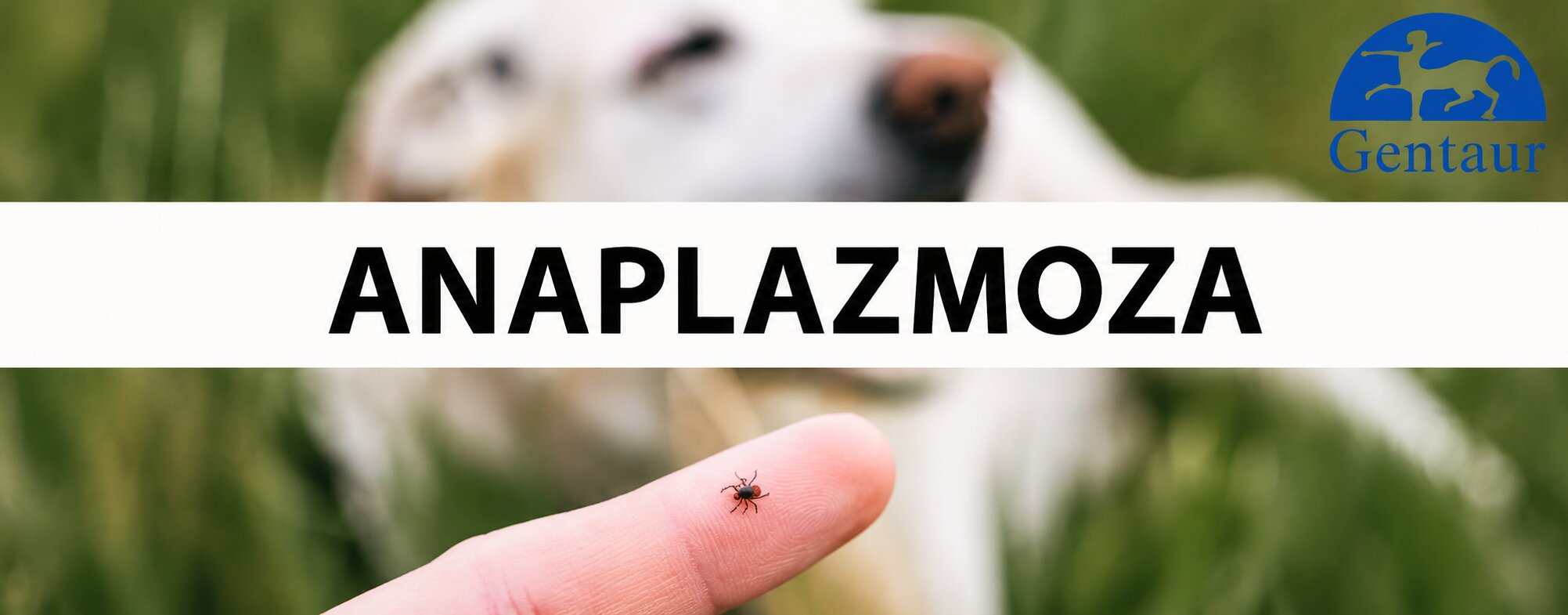
14
júl
Anaplazmoza – ako chranit domacich milacikov?
S oteplovanim pocasia rastie aj riziko prisatia kliestov. Tieto drobne pavukovce prenasaju mnoho roz...
Čítať viac
Slim Fit Plastic Coat
Qty :
TOTAL : € NaN
€120.52

€85.68

€69.34

€60.64
€60.2
€85.05
€60.08
€78.63

Slim Fit Plastic Coat
€120.52
colors
please select a Color
size
- S
- M
- L
- XL
- XXL
please select size
product details
- Brand : Zara
- Category : Blazers