- EXPRESNÉ DORUČENIE DO 24–48 HODÍN
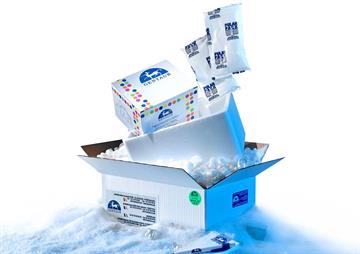
TLR Detection Set
Cena :Požiadajte o cenovú ponuku
Na skladeToll-like receptors (TLRs) are evolutionarily conserved pattern-recognition molecules resembling the toll proteins that mediate antimicrobial responses in Drosophila. These proteins recognize different microbial products during infection and serve as an important link between the innate and adaptive immune responses. The TLRs act through adaptor molecules to activate various kinases and transcription factors so the organism can respond to potential infection. These adaptor molecules include MyD88, TIRAP, TIRP, TOLLIP, and TRIF. These molecules interact with and activate the IL-1R-associated kinase (IRAK) family, which then activates TNF receptor associated factor (TRAF)-6, and ultimately leads to the activation of NF-κB. While most TLRs utilize more than one adaptor, certain adaptor molecules are essential for individual TLR signaling, e.g., TLR4 signaling is dependent on TIRP expression.;;<b>For images please see PDF data sheet</b>
Detaily produktu
Katalógové čísloPSI-1806
KategóriaObchod a priemysel > Veda a laboratorium
DodávateľGentaurProSci
Veľkosť1 Set
Typslobodný
Požiadať o ponuku alebo dokumenty
Vyberte, čo potrebujete, a my sa vám ozveme
Ref: MBS154739-1Set
TLR Detection Set
Ref: MBS154739-5x1Set
TLR Detection Set
Ref: MBS154724-1Set
TLR Adaptor Detection Set
Ref: MBS154724-5x1Set
TLR Adaptor Detection Set
Ref: PSI-1828
Junctophilin Detection Set
Ref: MBS154706-5x1Set
LAG3 Detection Set (Risk Free)
Najnovšie články
 WIKI
WIKIMozgova porazka – najdolezitejsie informacie
S pribudajucim vekom sa zvysuje riziko vzniku mnohych ochoreni. Okrem zmien sposobenych prirodzenym ...
Čítať viac WIKI
WIKIČo je to autoimunita?
V mnohých médiách čoraz častejšie počujeme o autoimunitných ochoreniach alebo o samotnej autoimunite...
Čítať viac WIKI
WIKIApsik! Tak co je alergia?
S prichodom leta zacina kvitnut mnozstvo rastlin. Pocet pelovych zrn vo vzduchu sa zvysuje a vcely i...
Čítať viac
Slim Fit Plastic Coat
Qty :
TOTAL : € NaN
€120.52

€85.68

€69.34

€60.64
€60.2
€85.05
€60.08
€78.63

Slim Fit Plastic Coat
€120.52
colors
please select a Color
size
- S
- M
- L
- XL
- XXL
please select size
product details
- Brand : Zara
- Category : Blazers