- EXPRESNÉ DORUČENIE DO 24–48 HODÍN
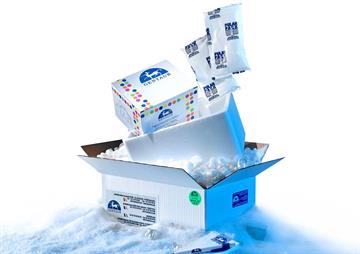
resDetect™ CHO resDNA Quantitation Kit (qPCR)
Cena :Požiadajte o cenovú ponuku
Na skladeResidual host cell DNA refers to fragments of DNA from the host organism that are left behind after a biological process such as the production of a biopharmaceutical product or the cultivation of a cell line. This residual DNA can potentially contaminate the final product and affect its safety and efficacy. In the context of biopharmaceutical production, regulatory agencies such as the FDA and EMA have set limits on the amount of residual host cell DNA that is acceptable in a final product. These limits vary depending on the type of product and the route of administration, and residue host cell DNA quantitative kits are designed to ensure that the final product is safe for human use.
Detaily produktu
Katalógové čísloOPA-R004
KategóriaObchod a priemysel > Veda a laboratorium
DodávateľGentaurACROBIOSYSTEMS
Veľkosť100tests
Typslobodný
Požiadať o ponuku alebo dokumenty
Vyberte, čo potrebujete, a my sa vám ozveme
Ref: OPA-R004-100tests
resDetect™ CHO resDNA Quantitation Kit (qPCR)
Ref: OPA-R008
resDetect™ E1A resDNA Quantitation Kit (qPCR)
Ref: OPA-R008-100tests
resDetect™ E1A resDNA Quantitation Kit (qPCR)
Ref: OPA-R006
resDetect™ HEK293 resDNA Quantitation Kit (qPCR)
Ref: VPK-145
QuickTiter™ AAV Quantitation Kit
Ref: 55R-1545
GFP Quantitation Kit
Najnovšie články
 WIKI
WIKIMozgova porazka – najdolezitejsie informacie
S pribudajucim vekom sa zvysuje riziko vzniku mnohych ochoreni. Okrem zmien sposobenych prirodzenym ...
Čítať viac WIKI
WIKIČo je to autoimunita?
V mnohých médiách čoraz častejšie počujeme o autoimunitných ochoreniach alebo o samotnej autoimunite...
Čítať viac WIKI
WIKIApsik! Tak co je alergia?
S prichodom leta zacina kvitnut mnozstvo rastlin. Pocet pelovych zrn vo vzduchu sa zvysuje a vcely i...
Čítať viac
Slim Fit Plastic Coat
Qty :
TOTAL : € NaN
€120.52

€85.68

€69.34

€60.64
€60.2
€85.05
€60.08
€78.63

Slim Fit Plastic Coat
€120.52
colors
please select a Color
size
- S
- M
- L
- XL
- XXL
please select size
product details
- Brand : Zara
- Category : Blazers