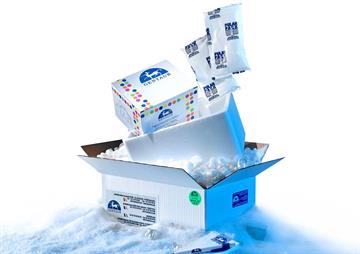
- EXPRESNÉ DORUČENIE DO 24–48 HODÍN
PKC Zeta (Phospho Thr410) Polyclonal Antibody
Cena : Požiadajte o cenovú ponuku
1
Protein kinase C (PKC) zeta is a member of the PKC family of serine/threonine kinases which are involved in a variety of cellular processes such as proliferation, differentiation and secretion. Unlike the classical PKC isoenzymes which are calcium-dependent, PKC zeta exhibits a kinase activity which is independent of calcium and diacylglycerol but not of phosphatidylserine. Furthermore, it is insensitive to typical PKC inhibitors and cannot be activated by phorbol ester. Unlike the classical PKC isoenzymes, it has only a single zinc finger module. These structural and biochemical properties indicate that the zeta subspecies is related to, but distinct from other isoenzymes of PKC. Alternative splicing results in multiple transcript variants encoding different isoforms.
Detaily produktu
Katalógové čísloBT-AP13105-20ul
KategóriaObchod a priemysel > Veda a laboratorium
DodávateľJiaxing Korain Biotech Ltd (BT Labs)
Veľkosť20ul
Typslobodný
Ref: BT-AP13105-100ul
PKC Zeta (Phospho Thr410) Polyclonal Antibody
Ref: BT-AP13105-50ul
PKC Zeta (Phospho Thr410) Polyclonal Antibody
Ref: ABP50396-003ml
PKC Zeta (phospho Thr410) Polyclonal Antibody
Ref: ABP50396-01ml
PKC Zeta (phospho Thr410) Polyclonal Antibody
Ref: MBS9242077-01mL
PKC zeta (phospho Thr560) Polyclonal Antibody
Ref: E44H00699
PKC ζ (phospho Thr410) Polyclonal Antibody
Najnovšie články

14
júl
Gene knockout
V roku 2007 získali Nobelovu cenu za fyziológiu alebo medicínu Mario R. Capecchi (USA), Sir Martin E...
Čítať viac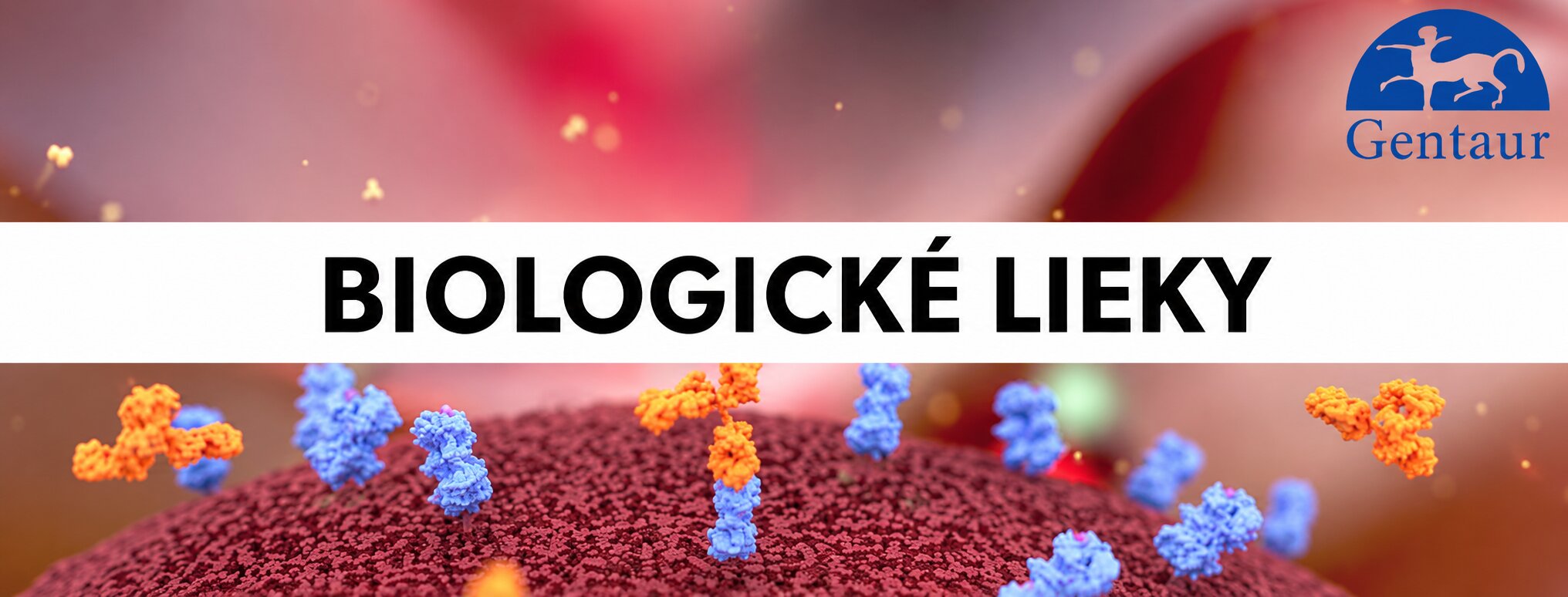
14
júl
Biologicke lieky – moderna era vo farmacii
Trh s farmaceutickymi a biologickymi liekmi ponuka siroku skalu pripravkov urcenych na liecbu mnohyc...
Čítať viac
14
júl
Anaplazmoza – ako chranit domacich milacikov?
S oteplovanim pocasia rastie aj riziko prisatia kliestov. Tieto drobne pavukovce prenasaju mnoho roz...
Čítať viac
Slim Fit Plastic Coat
Qty :
TOTAL : € NaN
€120.52

€85.68

€69.34

€60.64
€60.2
€85.05
€60.08
€78.63

Slim Fit Plastic Coat
€120.52
colors
please select a Color
size
- S
- M
- L
- XL
- XXL
please select size
product details
- Brand : Zara
- Category : Blazers