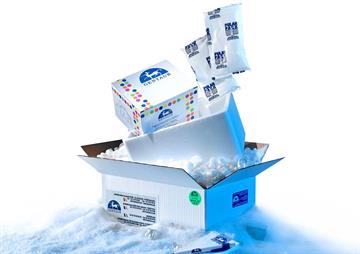
- EXPRESNÉ DORUČENIE DO 24–48 HODÍN
Phospho-MET(Y1003) Polyclonal Antibody
Cena : Požiadajte o cenovú ponuku
1
This gene encodes a member of the receptor tyrosine kinase family of proteins and the product of the proto-oncogene MET. The encoded preproprotein is proteolytically processed to generate alpha and beta subunits that are linked via disulfide bonds to form the mature receptor. Further processing of the beta subunit results in the formation of the M10 peptide, which has been shown to reduce lung fibrosis. Binding of its ligand, hepatocyte growth factor, induces dimerization and activation of the receptor, which plays a role in cellular survival, embryogenesis, and cellular migration and invasion. Mutations in this gene are associated with papillary renal cell carcinoma, hepatocellular carcinoma, and various head and neck cancers. Amplification and overexpression of this gene are also associated with multiple human cancers.
Detaily produktu
Katalógové čísloRD268073A-200uL
KategóriaObchod a priemysel > Veda a laboratorium
DodávateľReddot Biotech
Veľkosť200μL
Typslobodný
Ref: RD268073A-120uL
Phospho-MET(Y1003) Polyclonal Antibody
Ref: RD268073A-60uL
Phospho-MET(Y1003) Polyclonal Antibody
Ref: CSB-PA010182-100ug
Phospho-MET (Y1003) Antibody
Ref: CSB-PA010182-50ug
Phospho-MET (Y1003) Antibody
Ref: RD268075A-200uL
Phospho-MET(Y1234) Polyclonal Antibody
Ref: MBS9203790-5x04mL
Phospho-MET (Y1356) Antibody
Najnovšie články

14
júl
Gene knockout
V roku 2007 získali Nobelovu cenu za fyziológiu alebo medicínu Mario R. Capecchi (USA), Sir Martin E...
Čítať viac
14
júl
Biologicke lieky – moderna era vo farmacii
Trh s farmaceutickymi a biologickymi liekmi ponuka siroku skalu pripravkov urcenych na liecbu mnohyc...
Čítať viac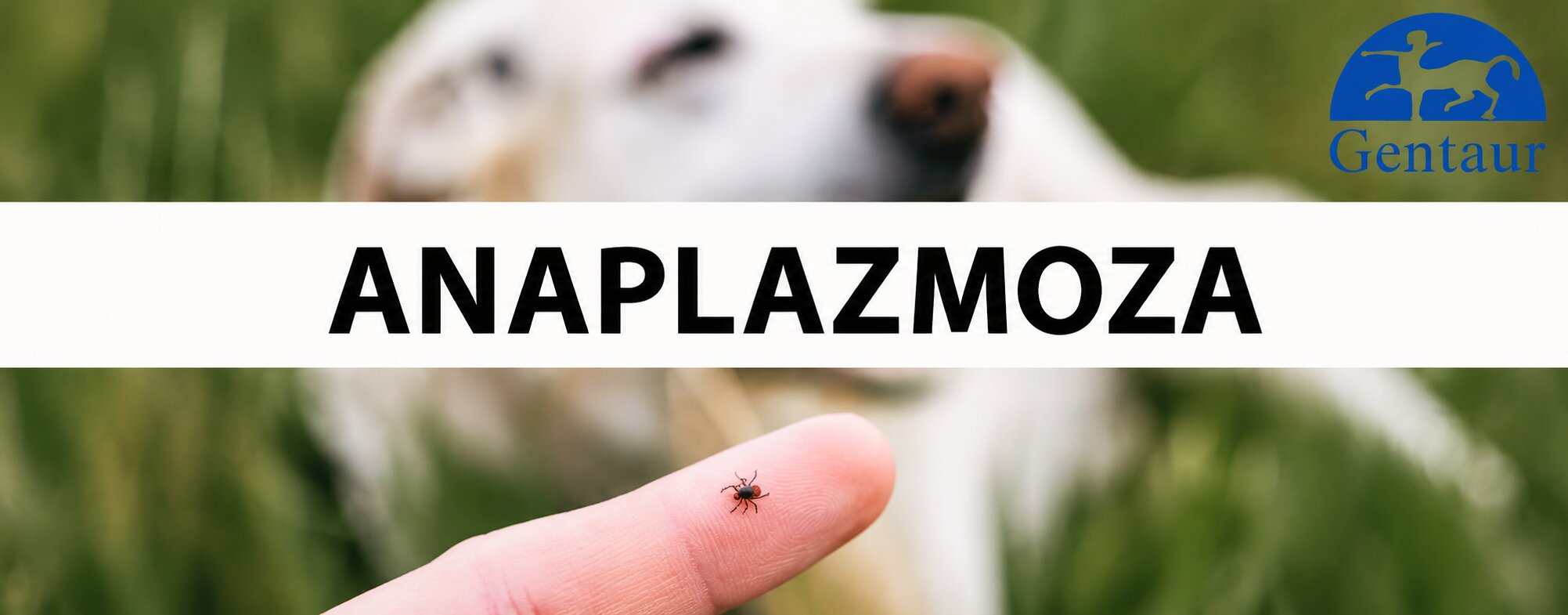
14
júl
Anaplazmoza – ako chranit domacich milacikov?
S oteplovanim pocasia rastie aj riziko prisatia kliestov. Tieto drobne pavukovce prenasaju mnoho roz...
Čítať viac
Slim Fit Plastic Coat
Qty :
TOTAL : € NaN
€120.52

€85.68

€69.34

€60.64
€60.2
€85.05
€60.08
€78.63

Slim Fit Plastic Coat
€120.52
colors
please select a Color
size
- S
- M
- L
- XL
- XXL
please select size
product details
- Brand : Zara
- Category : Blazers