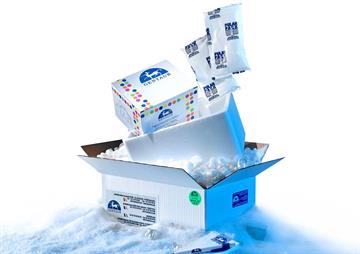
- EXPRESNÉ DORUČENIE DO 24–48 HODÍN
PE/Cyanine5 Anti-Mouse CD40 Antibody
Cena : Požiadajte o cenovú ponuku
1
CD40 is a 48 kD type I transmembrane glycoprotein also known as Bp50. It is a member of the tumor necrosis factor receptor (TNFR) superfamily and is expressed on B cells, basal epithelial cells, macrophages, follicular dendritic cells, endothelial cells, and a subset of CD34+ hematopoietic progenitors. CD40 regulates B cell development/maturation, Ig isotype switching and, in combination with other signals such as IL-4, protects B cells from surface Ig-induced apoptosis and promotes proliferation. Interaction of CD40 with its ligand CD154 (gp39), which is expressed on activated T cells, is important in costimulation and immune regulation.
Detaily produktu
Katalógové čísloDL20443F-20Tests
KategóriaObchod a priemysel > Veda a laboratorium
DodávateľDL Develop
Veľkosť20Tests
Typslobodný
Ref: DL20443F-50Tests
PE/Cyanine5 Anti-Mouse CD40 Antibody
Ref: DL20452F-25ug
PE/Cyanine5 Anti-Mouse CD40 Antibody
Ref: DL20452F-50ug
PE/Cyanine5 Anti-Mouse CD40 Antibody
Ref: JOT20443F
PE/Cyanine5 Anti-Mouse CD40 Antibody
Ref: DL21013F-20Tests
PE/Cyanine5 Anti-Mouse CD103 Antibody
Ref: RD22003F-100Tests
PE/Cyanine5 Anti-Mouse CD335 Antibody
Najnovšie články

14
júl
Gene knockout
V roku 2007 získali Nobelovu cenu za fyziológiu alebo medicínu Mario R. Capecchi (USA), Sir Martin E...
Čítať viac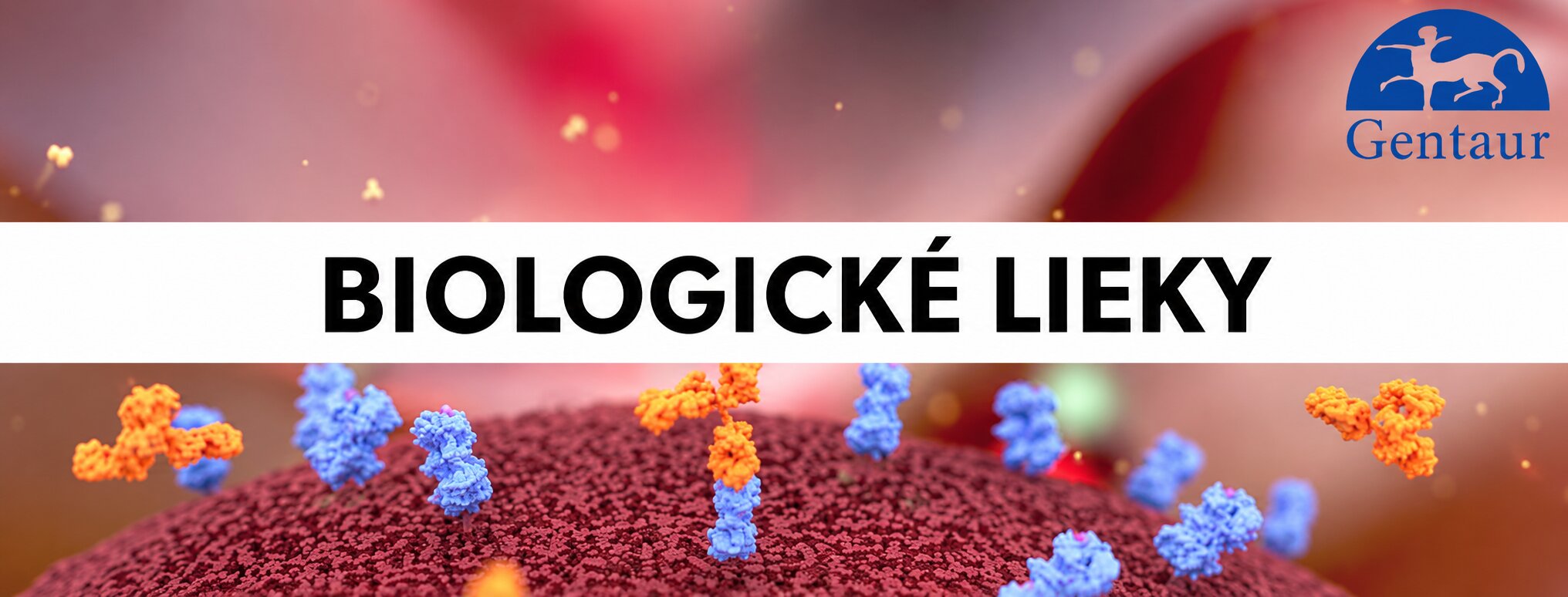
14
júl
Biologicke lieky – moderna era vo farmacii
Trh s farmaceutickymi a biologickymi liekmi ponuka siroku skalu pripravkov urcenych na liecbu mnohyc...
Čítať viac
14
júl
Anaplazmoza – ako chranit domacich milacikov?
S oteplovanim pocasia rastie aj riziko prisatia kliestov. Tieto drobne pavukovce prenasaju mnoho roz...
Čítať viac
Slim Fit Plastic Coat
Qty :
TOTAL : € NaN
€120.52

€85.68

€69.34

€60.64
€60.2
€85.05
€60.08
€78.63

Slim Fit Plastic Coat
€120.52
colors
please select a Color
size
- S
- M
- L
- XL
- XXL
please select size
product details
- Brand : Zara
- Category : Blazers