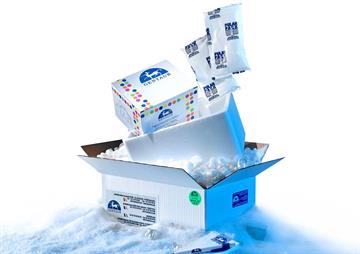
- EXPRESNÉ DORUČENIE DO 24–48 HODÍN
NOGGIN Recombinant Protein (Animal Free)
Cena : Požiadajte o cenovú ponuku
1
Noggin belongs to a group of diffusible proteins that bind to ligands of the TGF-β family, and regulate their activity by inhibiting their access to signaling receptors. Noggin was originally identified as a BMP-4 antagonist whose action was critical for proper formation of the head and other dorsal structures. Consequently, noggin has been shown to modulate the activities of other BMPs including BMP-2,-7,-13, and -14. Targeted deletion of noggin in mice results in prenatal death, and a recessive phenotype displaying a severely malformed skeletal system. Conversely, transgenic mice over-expressing noggin in mature osteoblasts display impaired osteoblastic differentiation, reduced bone formation, and severe osteoporosis. Recombinant Murine Noggin is a 46.4 kDa disulfide-linked homodimer consisting of two 206 amino acid polypeptide chains.
Detaily produktu
Katalógové číslo40-747
KategóriaObchod a priemysel > Veda a laboratorium
DodávateľProSci
Veľkosť5 ug
Typslobodný
Najnovšie články
14
júl
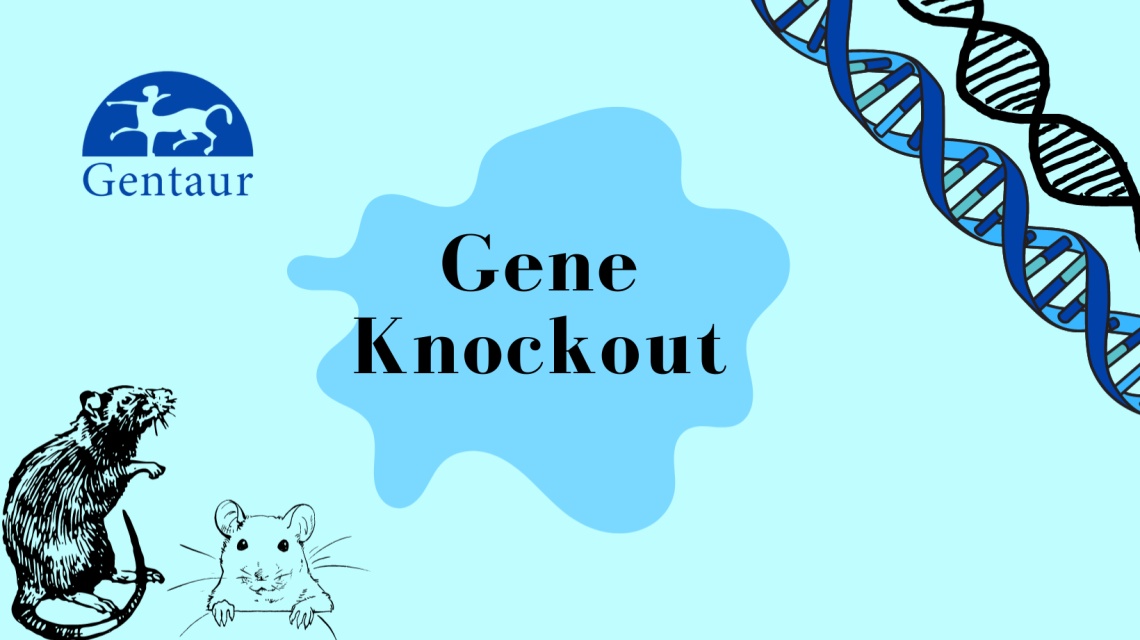
Gene knockout
V roku 2007 získali Nobelovu cenu za fyziológiu alebo medicínu Mario R. Capecchi (USA), Sir Martin E...
Čítať viac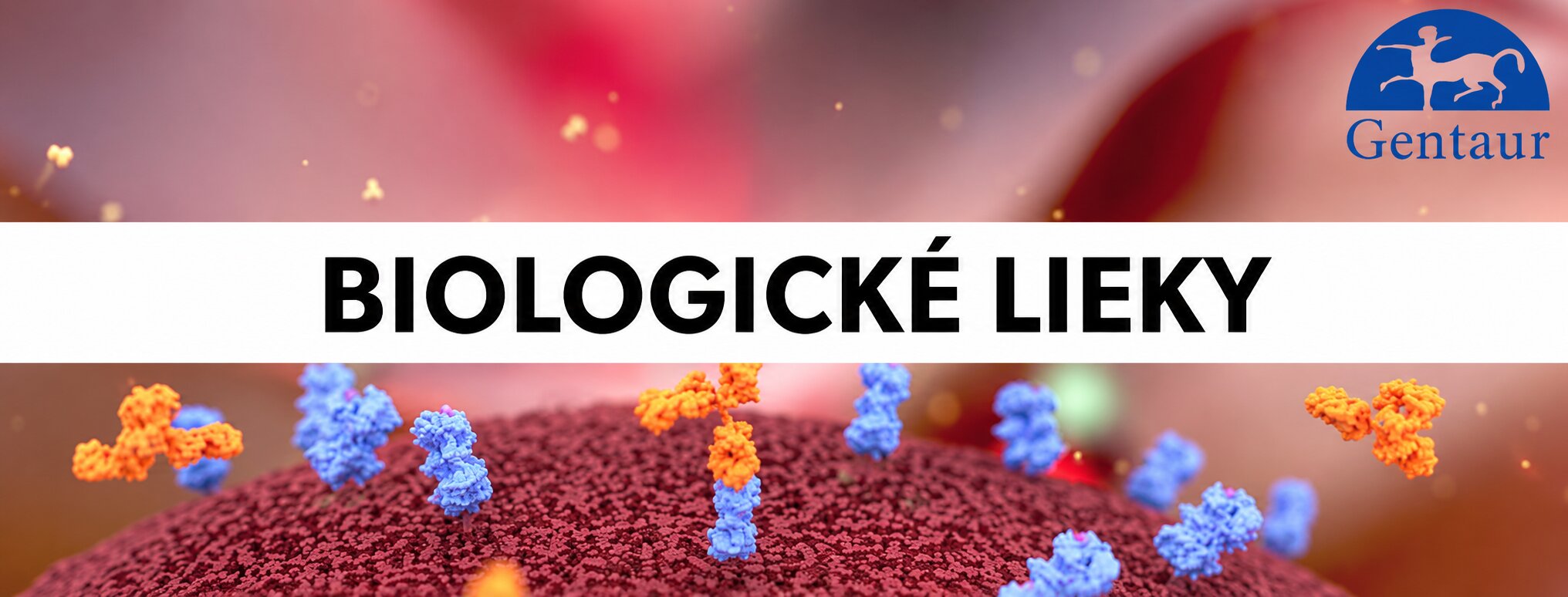
14
júl
Biologicke lieky – moderna era vo farmacii
Trh s farmaceutickymi a biologickymi liekmi ponuka siroku skalu pripravkov urcenych na liecbu mnohyc...
Čítať viac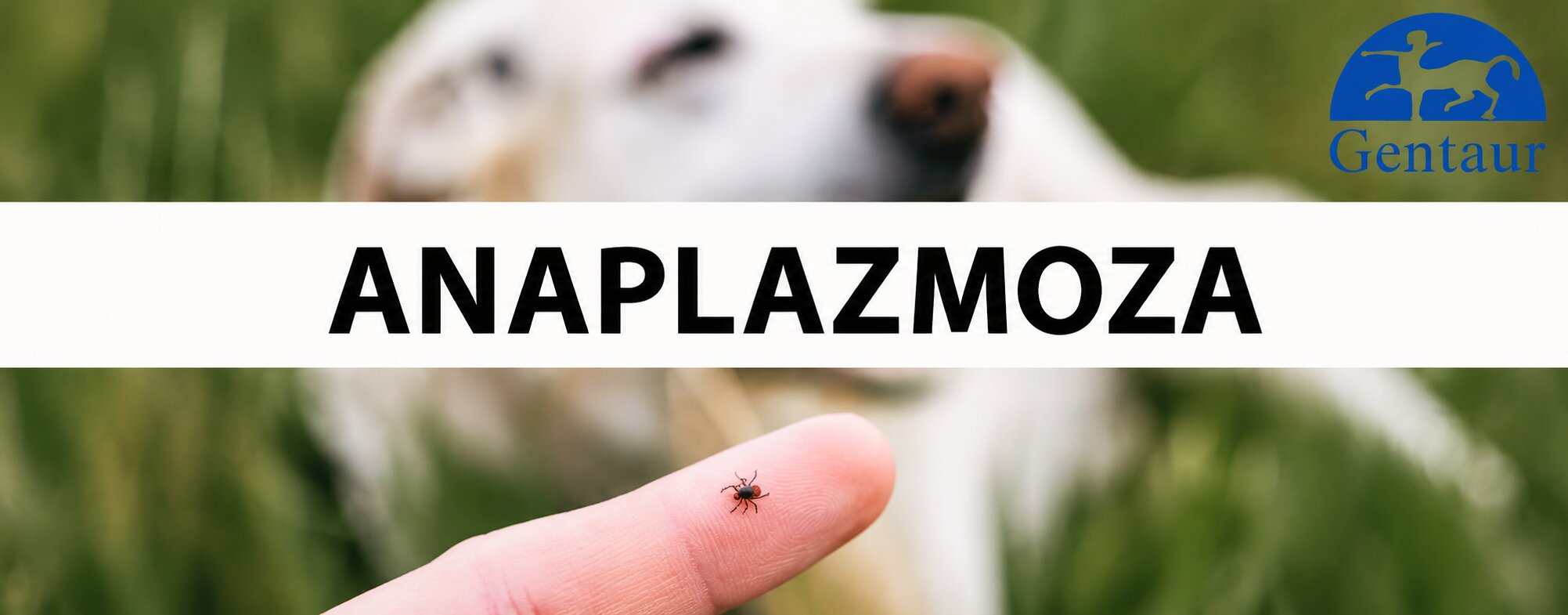
14
júl
Anaplazmoza – ako chranit domacich milacikov?
S oteplovanim pocasia rastie aj riziko prisatia kliestov. Tieto drobne pavukovce prenasaju mnoho roz...
Čítať viac
Slim Fit Plastic Coat
Qty :
TOTAL : € NaN
€120.52

€85.68

€69.34

€60.64
€60.2
€85.05
€60.08
€78.63

Slim Fit Plastic Coat
€120.52
colors
please select a Color
size
- S
- M
- L
- XL
- XXL
please select size
product details
- Brand : Zara
- Category : Blazers