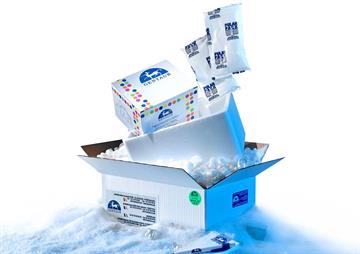
- EXPRESNÉ DORUČENIE DO 24–48 HODÍN
HSD17B1 Polyclonal Antibody
Cena : Požiadajte o cenovú ponuku
1
Hydroxysteroid (17-beta) dehydrogenase 1 catalyzes the final step in the formation of estradiol and testosterone from estrone and androstenedione, respectively. Ovarian granulosa cells and breast tissue both express HSD17B1. Other tissues that express HSD17B1 include testis, placenta, uterus, prostate and adipose tissue. HSD17B1 functions as a homodimer and prefers NADP(H) over NAD(H) for oxidation and reduction. The gene encoding human HSD17B1 maps to chromosome 17q12-q21. The importance of HSD17B1 to estradiol production suggests the specific inhibition of HSD17B1 may aid in breast cancer therapy.
Detaily produktu
Katalógové čísloRD76884A-200uL
KategóriaObchod a priemysel > Veda a laboratorium
DodávateľReddot Biotech
Veľkosť200μL
Typslobodný
Ref: BS72641
HSD17B1 polyclonal antibody
Ref: E-AB-13312-120uL
HSD17B1 Polyclonal Antibody
Ref: E-AB-13312-200uL
HSD17B1 Polyclonal Antibody
Ref: E-AB-13312-20uL
HSD17B1 Polyclonal Antibody
Ref: MBS2528768-02mL
HSD17B1 Polyclonal Antibody
Ref: 29651
HSD17B1 Rabbit Polyclonal Antibody
Najnovšie články
14
júl
Gene knockout
V roku 2007 získali Nobelovu cenu za fyziológiu alebo medicínu Mario R. Capecchi (USA), Sir Martin E...
Čítať viac
14
júl
Biologicke lieky – moderna era vo farmacii
Trh s farmaceutickymi a biologickymi liekmi ponuka siroku skalu pripravkov urcenych na liecbu mnohyc...
Čítať viac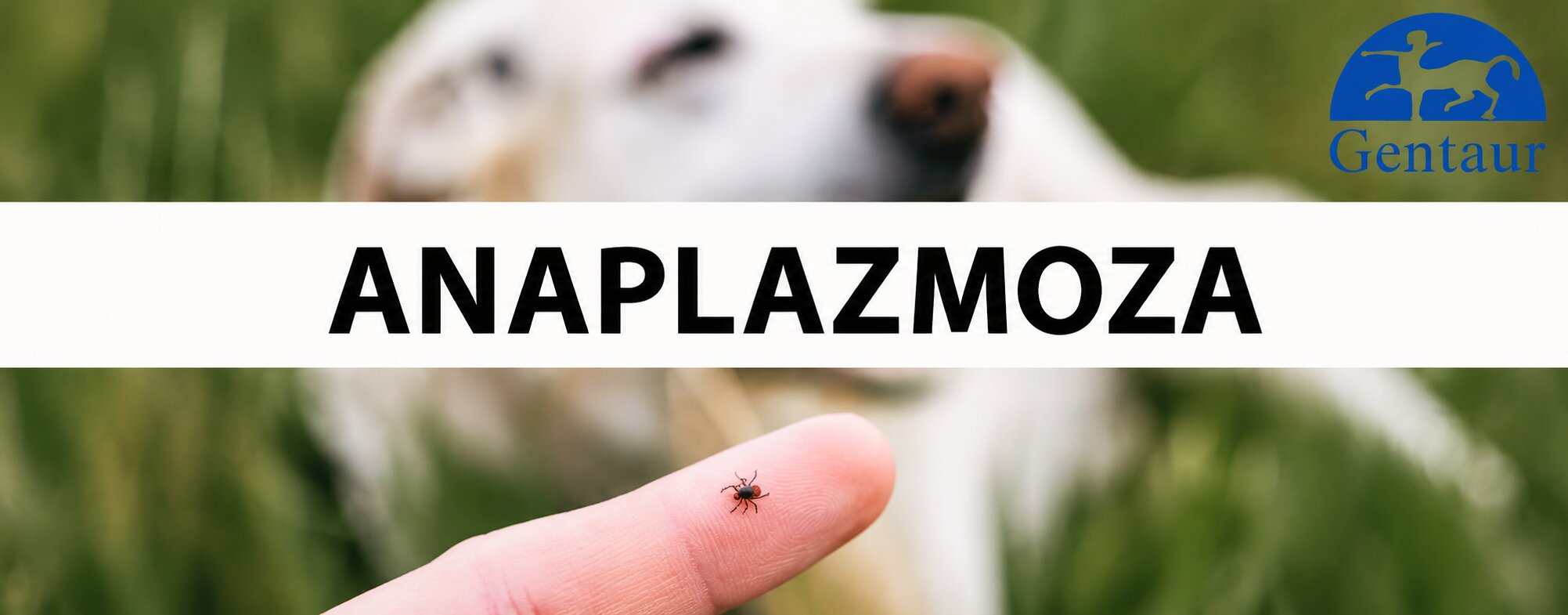
14
júl
Anaplazmoza – ako chranit domacich milacikov?
S oteplovanim pocasia rastie aj riziko prisatia kliestov. Tieto drobne pavukovce prenasaju mnoho roz...
Čítať viac
Slim Fit Plastic Coat
Qty :
TOTAL : € NaN
€120.52

€85.68

€69.34

€60.64
€60.2
€85.05
€60.08
€78.63

Slim Fit Plastic Coat
€120.52
colors
please select a Color
size
- S
- M
- L
- XL
- XXL
please select size
product details
- Brand : Zara
- Category : Blazers