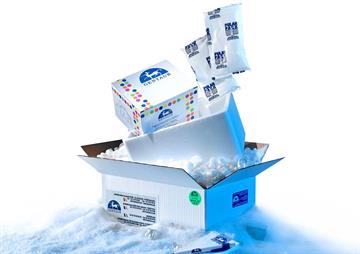
- EXPRESNÉ DORUČENIE DO 24–48 HODÍN
Cleaved-Factor Xa activated HC (I235) Polyclonal Antibody
Cena : Požiadajte o cenovú ponuku
1
F10 encodes the vitamin K-dependent coagulation factor X of the blood coagulation cascade. This factor undergoes multiple processing steps before its preproprotein is converted to a mature two-chain form by the excision of the tripeptide RKR. Two chains of the factor are held together by 1 or more disulfide bonds; the light chain contains 2 EGF-like domains, while the heavy chain contains the catalytic domain which is structurally homologous to those of the other hemostatic serine proteases. The mature factor is activated by the cleavage of the activation peptide by factor IXa (in the intrisic pathway), or by factor VIIa (in the extrinsic pathway). The activated factor then converts prothrombin to thrombin in the presence of factor Va, Ca+2, and phospholipid during blood clotting. Mutations of this gene result in factor X deficiency, a hemorrhagic condition of variable severity. Alternative splicing results in multiple transcript variants encoding different isoforms that may undergo similar proteolytic processing to generate mature polypeptides.
Detaily produktu
Katalógové čísloBT-AP01924-100ul
KategóriaObchod a priemysel > Veda a laboratorium
DodávateľJiaxing Korain Biotech Ltd (BT Labs)
Veľkosť100ul
Typslobodný
Ref: ABP54190-003ml
Cleaved-Factor Xa activated HC (I235) Polyclonal Antibody
Ref: ABP54190-01ml
Cleaved-Factor Xa activated HC (I235) Polyclonal Antibody
Ref: ABP54190-02ml
Cleaved-Factor Xa activated HC (I235) Polyclonal Antibody
Ref: BT-AP01924-20ul
Cleaved-Factor Xa activated HC (I235) Polyclonal Antibody
Ref: ABP54191-01ml
Cleaved-Factor XII HC (I20) Polyclonal Antibody
Ref: ABP50061-02ml
Cleaved-Factor XII HC (R372) Polyclonal Antibody
Najnovšie články
14
júl
Gene knockout
V roku 2007 získali Nobelovu cenu za fyziológiu alebo medicínu Mario R. Capecchi (USA), Sir Martin E...
Čítať viac
14
júl
Biologicke lieky – moderna era vo farmacii
Trh s farmaceutickymi a biologickymi liekmi ponuka siroku skalu pripravkov urcenych na liecbu mnohyc...
Čítať viac
14
júl
Anaplazmoza – ako chranit domacich milacikov?
S oteplovanim pocasia rastie aj riziko prisatia kliestov. Tieto drobne pavukovce prenasaju mnoho roz...
Čítať viac
Slim Fit Plastic Coat
Qty :
TOTAL : € NaN
€120.52

€85.68

€69.34

€60.64
€60.2
€85.05
€60.08
€78.63

Slim Fit Plastic Coat
€120.52
colors
please select a Color
size
- S
- M
- L
- XL
- XXL
please select size
product details
- Brand : Zara
- Category : Blazers