- EXPRESNÉ DORUČENIE DO 24–48 HODÍN
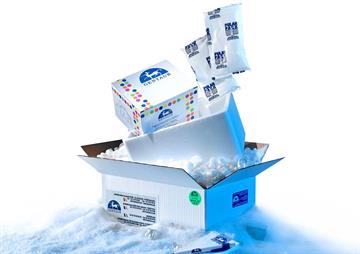
Anti-TLR4 Antibody
Cena :Požiadajte o cenovú ponuku
Na skladeSix human homologs of the Drosophila Toll receptor were initially identified based on their sequence similarities and designated toll-like receptors (TLR). Toll receptors are involved in mediating dorsoventral polarization in the developing Drosophila embryo and participate in the host immunity. The TLR family of proteins are characterized by a highly conserved Toll homology (TH) domain, which is essential for Toll-induced signal transduction. TLR1, as well as the other TLR family members, are type I transmembrane receptors that characteristically contain an extracellular domain consisting of several leucine-rich regions along with a single cytoplasmic Toll / IL-1R-like domain. TLR2 and TLR4 are activated in response to lipopolysacchride (LPS) stimulation, which results in the activation and translocation of NFkB and suggests that these receptors are involved in mediating inflammatory responses. Expression of TLR receptors is highest in peripheral blood leukocytes, macro-phages, and TLR6 is highly homologous to TLR1, sharing greater than 65% sequence identity, and, like other members of TLR family, it induces NFkB signaling upon activation.
Detaily produktu
Katalógové čísloER1706-43
KategóriaObchod a priemysel > Veda a laboratorium
DodávateľGentaurHUABIO
Veľkosť100ul
Typslobodný
Požiadať o ponuku alebo dokumenty
Vyberte, čo potrebujete, a my sa vám ozveme
Najnovšie články
 WIKI
WIKIMozgova porazka – najdolezitejsie informacie
S pribudajucim vekom sa zvysuje riziko vzniku mnohych ochoreni. Okrem zmien sposobenych prirodzenym ...
Čítať viac WIKI
WIKIČo je to autoimunita?
V mnohých médiách čoraz častejšie počujeme o autoimunitných ochoreniach alebo o samotnej autoimunite...
Čítať viac WIKI
WIKIApsik! Tak co je alergia?
S prichodom leta zacina kvitnut mnozstvo rastlin. Pocet pelovych zrn vo vzduchu sa zvysuje a vcely i...
Čítať viac
Slim Fit Plastic Coat
Qty :
TOTAL : € NaN
€120.52

€85.68

€69.34

€60.64
€60.2
€85.05
€60.08
€78.63

Slim Fit Plastic Coat
€120.52
colors
please select a Color
size
- S
- M
- L
- XL
- XXL
please select size
product details
- Brand : Zara
- Category : Blazers