- EXPRESNÉ DORUČENIE DO 24–48 HODÍN
![Anti-Phospho-GluR1(S845) Antibody [JJ2009]](/images/no-image-product-box.jpg)
Anti-Phospho-GluR1(S845) Antibody [JJ2009]
Cena : Požiadajte o cenovú ponuku
1
Glutamate receptors mediate most excitatory neurotransmission in the brain and play an important role in neural plasticity, neural development and neurodegeneration. Ionotropic glutamate receptors are categorized into NMDA receptors and kainate/AMPA receptors, both of which contain glutamate-gated, cation-specific ion channels. Kainate/AMPA receptors are co-localized with NMDA receptors in many synapses and consist of seven structurally related subunits designated GluR-1 to -7. The kainate/AMPA receptors are primarily responsible for the fast excitatory neuro-transmission by glutamate whereas the NMDA receptors are functionally characterized by a slow kinetic and a high permeability for Ca2+ ions. The NMDA receptors consist of five subunits: epsilion 1, 2, 3, 4 and one zeta subunit. The zeta subunit is expressed throughout the brainstem whereas the four epsilon subunits display limited distribution.
Detaily produktu
Katalógové čísloET1701-28
KategóriaObchod a priemysel > Veda a laboratorium
DodávateľHUABIO
Veľkosť100ul
Typslobodný
Ref: MBS1750276-01mL
Anti-Phospho-GluR1 (S845) Rabbit Monoclonal Antibody
Ref: MBS1750276-5x01mL
Anti-Phospho-GluR1 (S845) Rabbit Monoclonal Antibody
Ref: P02677-1
Anti-Phospho-GluR1 (Ser845) Gria1 Antibody
Ref: STJ90793
Anti-Phospho-Glycogen Synthase 1 (S645) antibody
Ref: STJ22155
Anti-Phospho-GRIA1-(S836) antibody
Najnovšie články

14
júl
Gene knockout
V roku 2007 získali Nobelovu cenu za fyziológiu alebo medicínu Mario R. Capecchi (USA), Sir Martin E...
Čítať viac
14
júl
Biologicke lieky – moderna era vo farmacii
Trh s farmaceutickymi a biologickymi liekmi ponuka siroku skalu pripravkov urcenych na liecbu mnohyc...
Čítať viac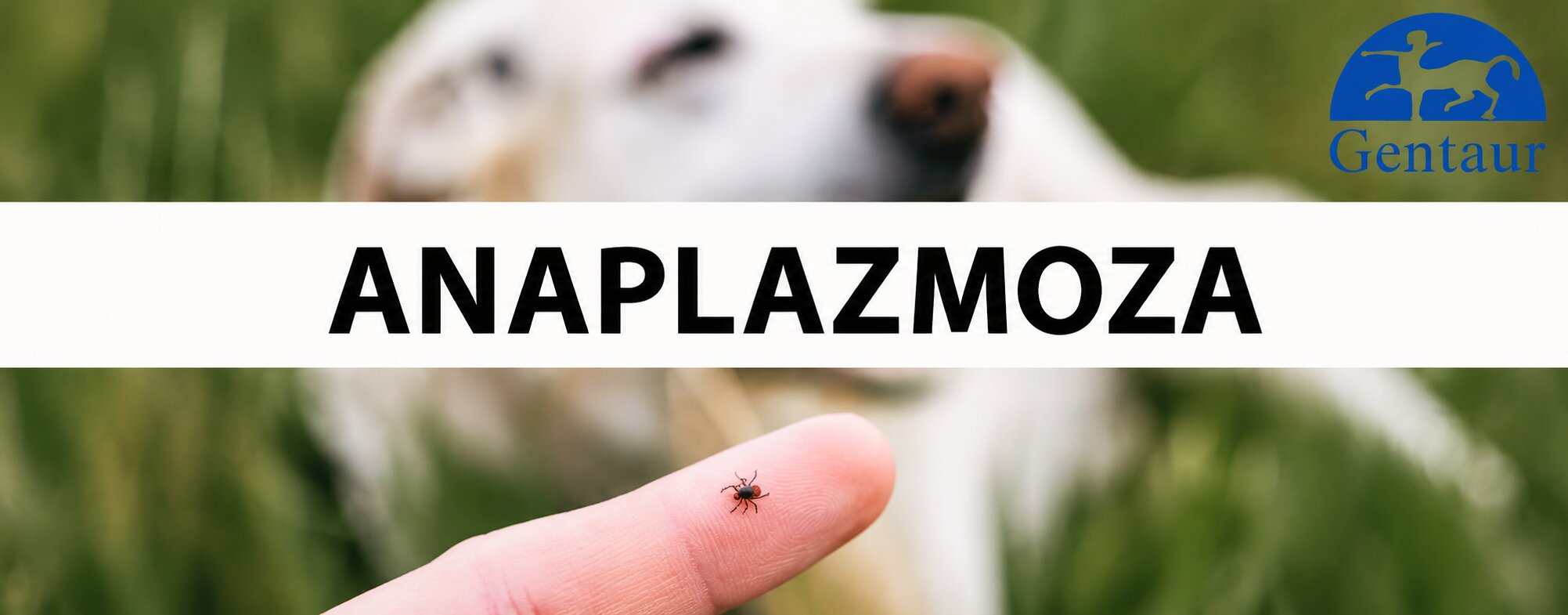
14
júl
Anaplazmoza – ako chranit domacich milacikov?
S oteplovanim pocasia rastie aj riziko prisatia kliestov. Tieto drobne pavukovce prenasaju mnoho roz...
Čítať viac
Slim Fit Plastic Coat
Qty :
TOTAL : € NaN
€120.52

€85.68

€69.34

€60.64
€60.2
€85.05
€60.08
€78.63

Slim Fit Plastic Coat
€120.52
colors
please select a Color
size
- S
- M
- L
- XL
- XXL
please select size
product details
- Brand : Zara
- Category : Blazers