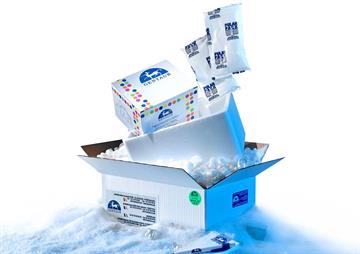
- EXPRESNÉ DORUČENIE DO 24–48 HODÍN
Anti-Lysozyme Antibody
Cena : Požiadajte o cenovú ponuku
1
The origins of the lysozyme proteins date back an estimated 400 to 600 million years. Generally, lysozyme genes are relatively small, roughly 10 kilobases in length, and composed of four exons and three introns. Originally a bacteriolytic defensive agent, the function of this family of proteins adapted to serve a digestive function in its present forms. Lysozymes in tissues and body fluids are associated with the monocyte-macrophage system and enhance the activity of immunoagents. Lysozyme C belongs to the glycosyl hydrolase 22 family, and newly identified relatives of Lysozyme C appear to possess anti-HIV activity, as well as preserved bacteriolytic function against Micrococcus lysodeikticus. Lysozyme C is capable of both hydrolysis and transglycosylation and also a slight esterase activity. It acts rapidly on both peptide-substituted and unsubstituted peptidoglycan, and slowly on chitin oligosaccharides. Lysozyme C defects are a cause of amyloidosis VIII, also called familial visceral or Ostertag-type amyloidosis.
Detaily produktu
Katalógové čísloER1803-88
KategóriaObchod a priemysel > Veda a laboratorium
DodávateľHUABIO
Veľkosť100ul
Typslobodný
Ref: MBS177833-01mg
Anti-Lysozyme Antibody
Ref: MBS177833-5x01mg
Anti-Lysozyme Antibody
Ref: PAab04910
Anti-Lysozyme antibody
Ref: PAab04910
Anti-Lysozyme antibody
Ref: A01811-1
Anti-Lysozyme/LYZ Antibody Picoband™
Ref: MBS7145224-INQUIRE
Rabbit anti-Lysobacter enzymogenes ler Polyclonal Antibody
Najnovšie články

14
júl
Gene knockout
V roku 2007 získali Nobelovu cenu za fyziológiu alebo medicínu Mario R. Capecchi (USA), Sir Martin E...
Čítať viac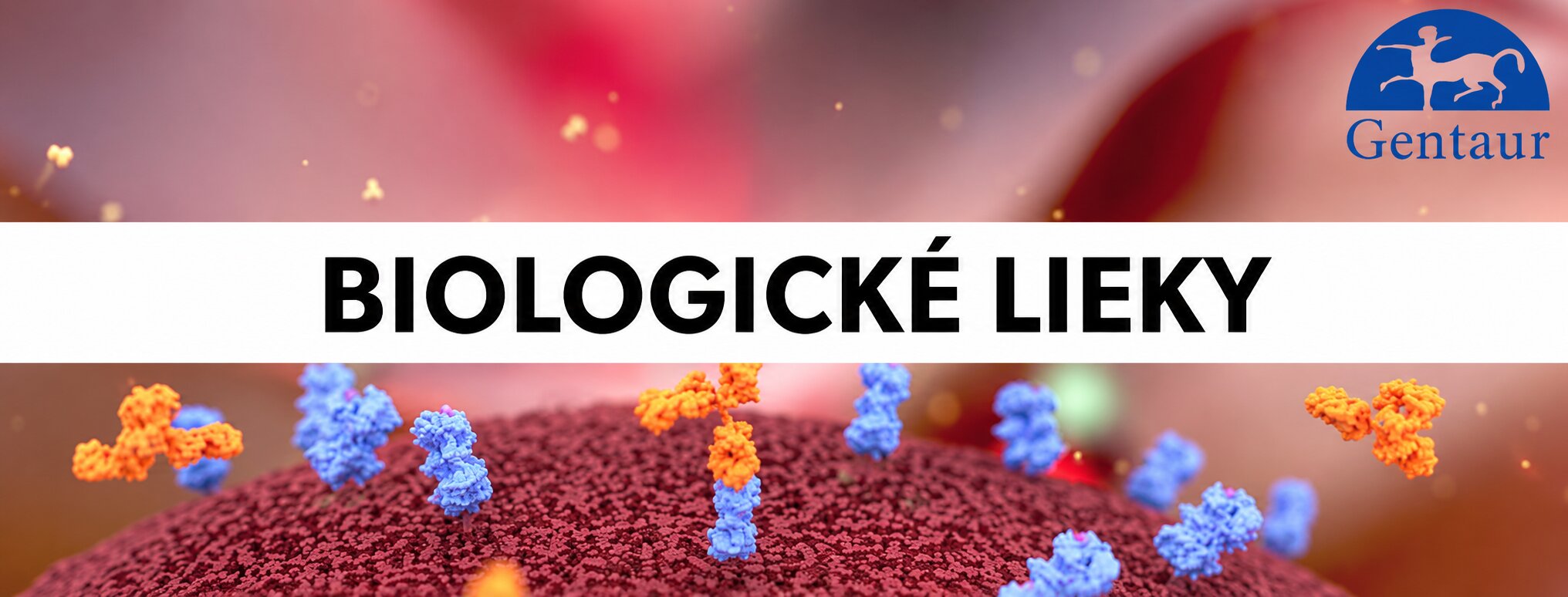
14
júl
Biologicke lieky – moderna era vo farmacii
Trh s farmaceutickymi a biologickymi liekmi ponuka siroku skalu pripravkov urcenych na liecbu mnohyc...
Čítať viac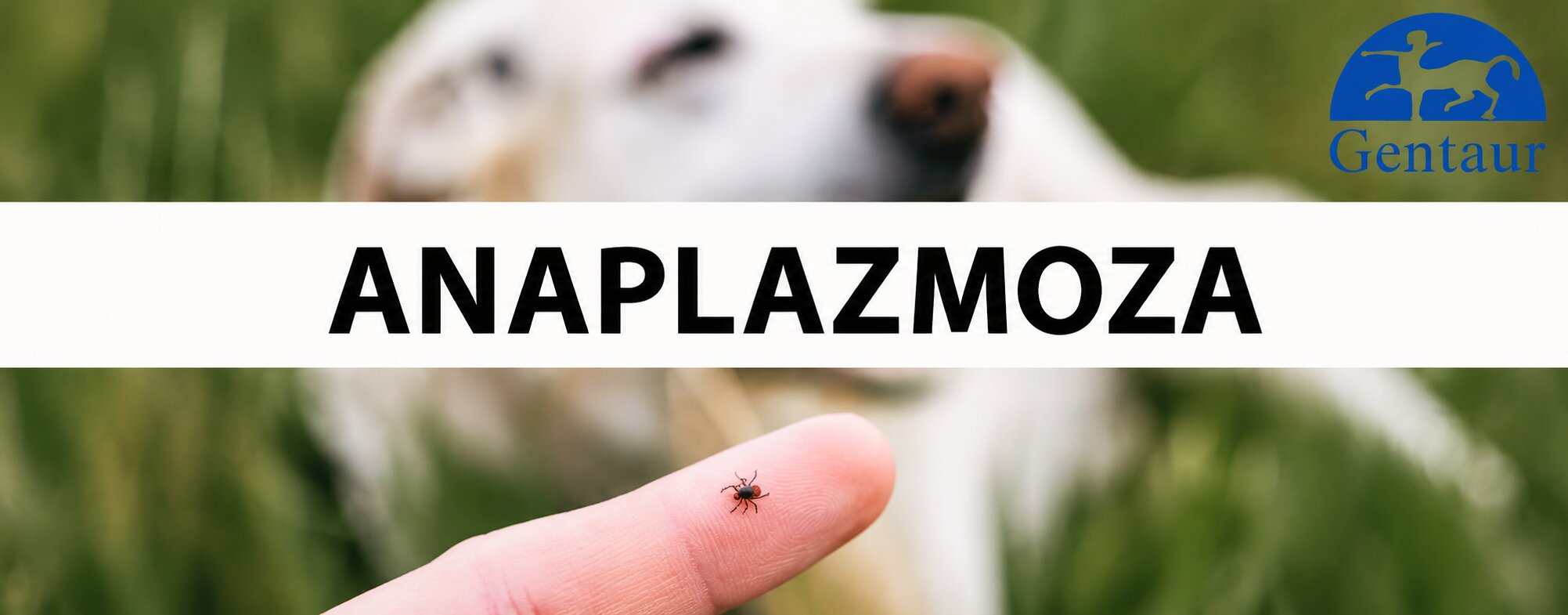
14
júl
Anaplazmoza – ako chranit domacich milacikov?
S oteplovanim pocasia rastie aj riziko prisatia kliestov. Tieto drobne pavukovce prenasaju mnoho roz...
Čítať viac
Slim Fit Plastic Coat
Qty :
TOTAL : € NaN
€120.52

€85.68

€69.34

€60.64
€60.2
€85.05
€60.08
€78.63

Slim Fit Plastic Coat
€120.52
colors
please select a Color
size
- S
- M
- L
- XL
- XXL
please select size
product details
- Brand : Zara
- Category : Blazers