- EXPRESNÉ DORUČENIE DO 24–48 HODÍN
![Anti-HDAC2 Antibody [SD0816]](/images/no-image-product-box.jpg)
Anti-HDAC2 Antibody [SD0816]
Cena : Požiadajte o cenovú ponuku
1
In the intact cell, DNA closely associates with histones and other nuclear proteins to form chromatin. The remodeling of chromatin is believed to be a critical component of transcriptional regulation and a major source of this remodeling is brought about by the acetylation of nucleosomal histones. Acetylation of lysine residues in the amino terminal tail domain of histone results in an allosteric change in the nucleosomal conformation and an increased accessibility to transcription factors by DNA. Conversely, the deacetylation of histones is associated with transcriptional silencing. Several mammalian proteins have been identified as nuclear histone acetylases, including GCN5, PCAF (for p300/CBP-associated factor), p300/CBP and the TFIID subunit TAF II p250. Mammalian HDAC1 (also designated HD1) and HDAC2 (also designated mammalian RPD3), both of which are related to the yeast transcriptional regulator Rpd3p, have been identified as histone deacetylases.
Detaily produktu
Katalógové čísloET1612-50
KategóriaObchod a priemysel > Veda a laboratorium
DodávateľHUABIO
Veľkosť100ul
Typslobodný
Ref: ET1612-90
Anti-HDAC8 Antibody [SD082-07]
Ref: ET1612-69
Anti-HDAC10 Antibody [SD08-11]
Ref: ET1612-51
Anti-HDAC4 Antibody [SD08-35]
Ref: ET1612-67
Anti-HDAC7 Antibody [SD082-4]
Ref: PAab03797
Anti-HDAC2-specific antibody
Ref: MBS375003-01mg
Mouse Anti-HDAC2 [3F3]
Najnovšie články
14
júl
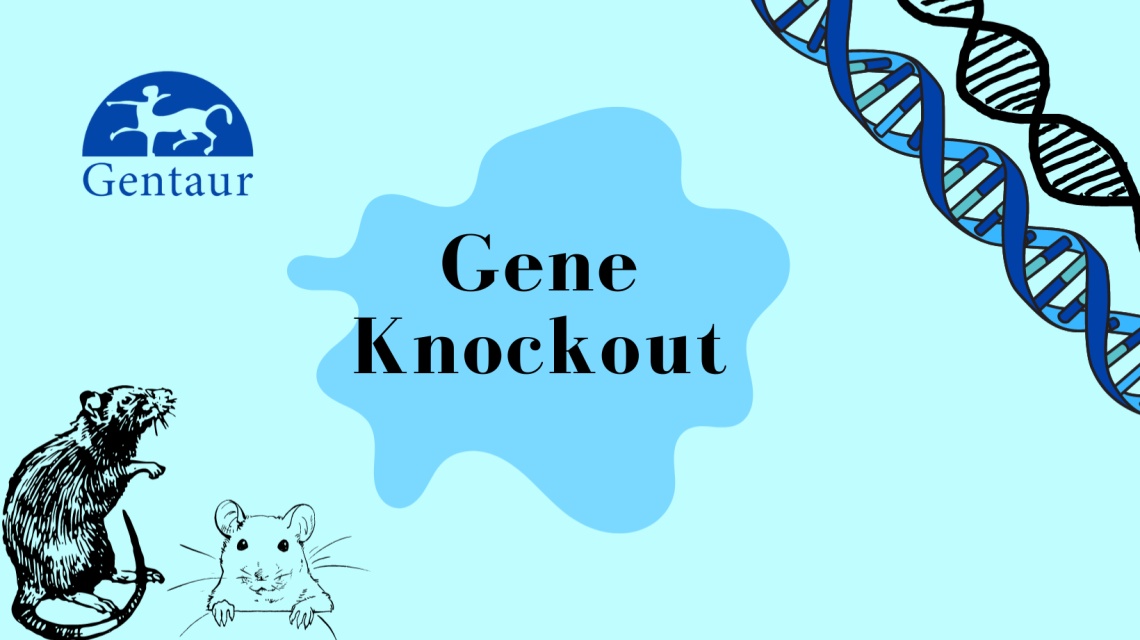
Gene knockout
V roku 2007 získali Nobelovu cenu za fyziológiu alebo medicínu Mario R. Capecchi (USA), Sir Martin E...
Čítať viac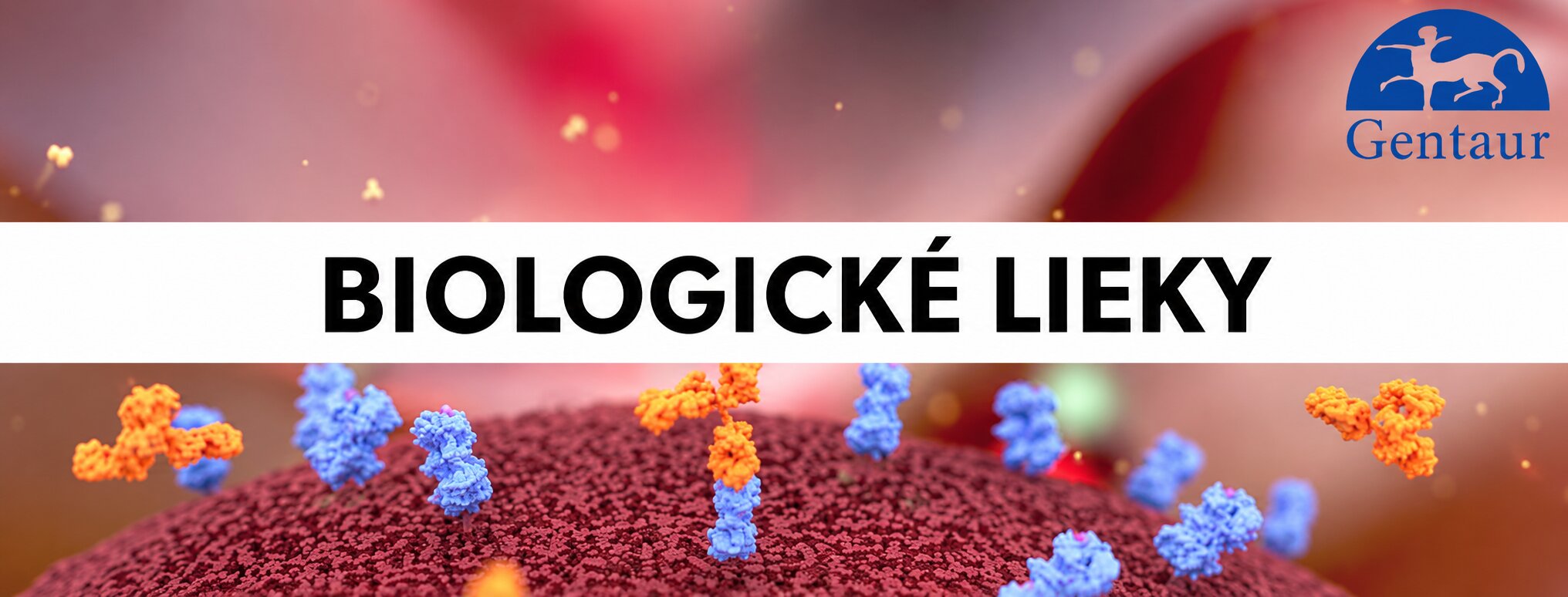
14
júl
Biologicke lieky – moderna era vo farmacii
Trh s farmaceutickymi a biologickymi liekmi ponuka siroku skalu pripravkov urcenych na liecbu mnohyc...
Čítať viac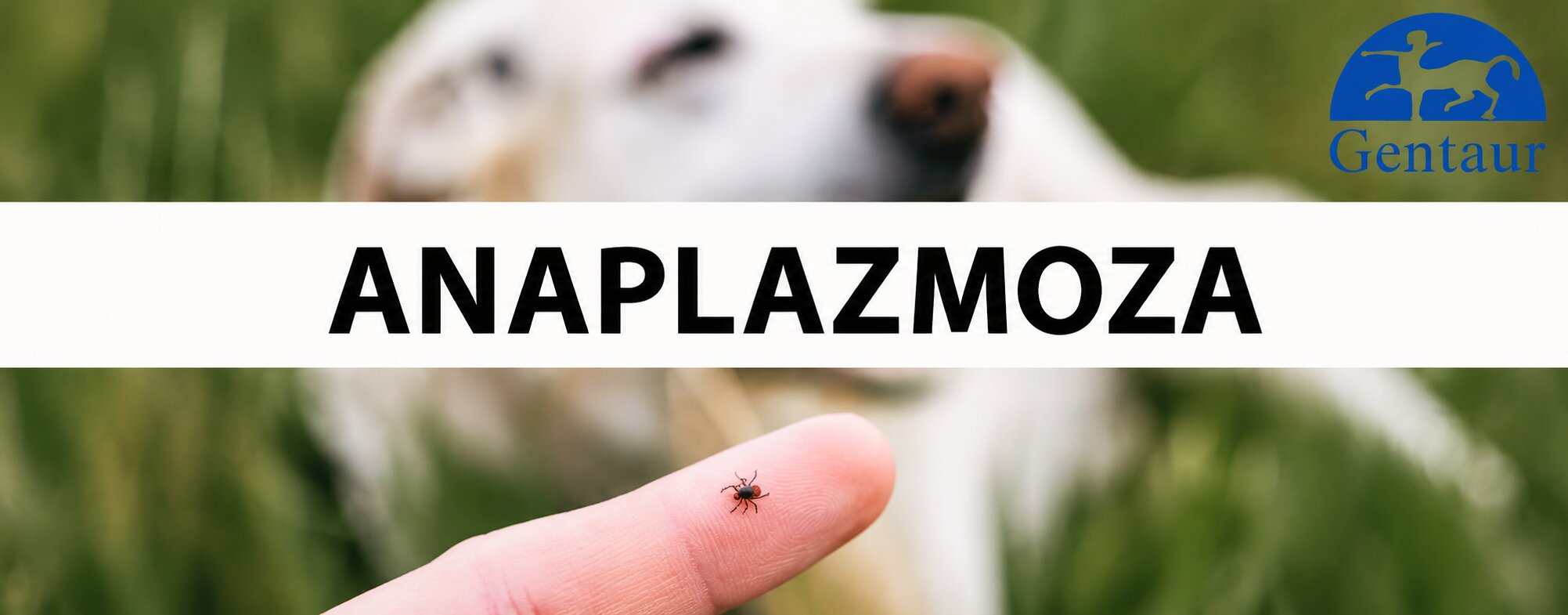
14
júl
Anaplazmoza – ako chranit domacich milacikov?
S oteplovanim pocasia rastie aj riziko prisatia kliestov. Tieto drobne pavukovce prenasaju mnoho roz...
Čítať viac
Slim Fit Plastic Coat
Qty :
TOTAL : € NaN
€120.52

€85.68

€69.34

€60.64
€60.2
€85.05
€60.08
€78.63

Slim Fit Plastic Coat
€120.52
colors
please select a Color
size
- S
- M
- L
- XL
- XXL
please select size
product details
- Brand : Zara
- Category : Blazers