- EXPRESNÉ DORUČENIE DO 24–48 HODÍN
![Anti-CXCR3 Antibody [JA61-33]](/images/no-image-product-box.jpg)
Anti-CXCR3 Antibody [JA61-33]
Cena : Požiadajte o cenovú ponuku
1
Chemokine receptor CXCR3 is a Gαi protein-coupled receptor in the CXC chemokine receptor family. Other names for CXCR3 are G protein-coupled receptor 9 (GPR9) and CD183. CXCR3 is able to regulate leukocyte trafficking. Binding of chemokines to CXCR3 induces various cellular responses, most notably integrin activation, cytoskeletal changes and chemotactic migration. CXCR3-ligand interaction attracts Th1 cells and promotes Th1 cell maturation. As a consequence of chemokine-induced cellular desensitization (phosphorylation-dependent receptor internalization), cellular responses are typically rapid and short in duration. Cellular responsiveness is restored after dephosphorylation of intracellular receptors and subsequent recycling to the cell surface. A hallmark of CXCR3 is its prominent expression in in vitro cultured effector/memory T cells, and in T cells present in many types of inflamed tissues. In addition, CXCL9, CXCL10 and CXCL11 are commonly produced by local cells in inflammatory lesion, suggesting that CXCR3 and its chemokines participate in the recruitment of inflammatory cells. Additionally, CXCR3 has been implicated in wound healing.
Detaily produktu
Katalógové čísloET1704-97
KategóriaObchod a priemysel > Veda a laboratorium
DodávateľHUABIO
Veľkosť100ul
Typslobodný
Ref: A00295
Anti-CXCR3 Antibody
Ref: MBS176866-01mg
Anti-CXCR3 Antibody
Ref: MBS176866-5x01mg
Anti-CXCR3 Antibody
Ref: STJ23303
Anti-CXCR3 antibody
Ref: dAP-1119
Goat anti-CXCR3 / GPR9 Antibody
Ref: ET1704-50
Anti-Clathrin heavy chain Antibody [JA53-02]
Najnovšie články

14
júl
Gene knockout
V roku 2007 získali Nobelovu cenu za fyziológiu alebo medicínu Mario R. Capecchi (USA), Sir Martin E...
Čítať viac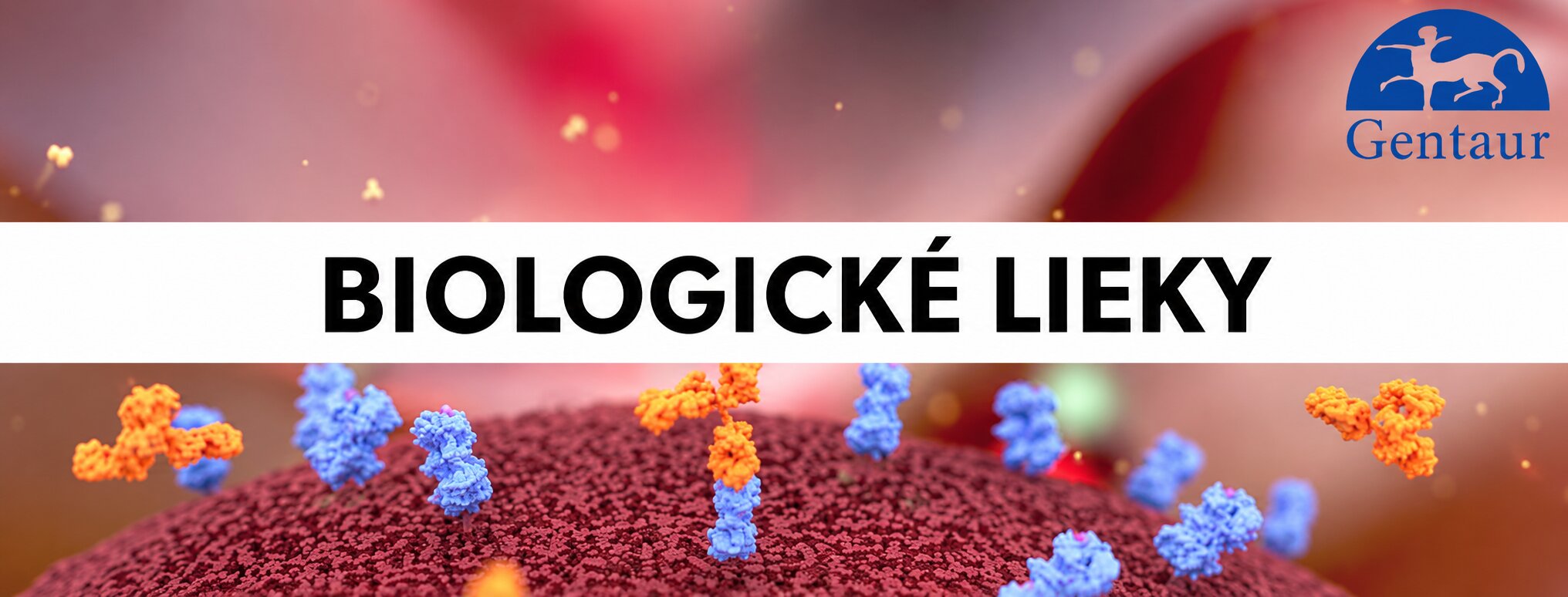
14
júl
Biologicke lieky – moderna era vo farmacii
Trh s farmaceutickymi a biologickymi liekmi ponuka siroku skalu pripravkov urcenych na liecbu mnohyc...
Čítať viac
14
júl
Anaplazmoza – ako chranit domacich milacikov?
S oteplovanim pocasia rastie aj riziko prisatia kliestov. Tieto drobne pavukovce prenasaju mnoho roz...
Čítať viac
Slim Fit Plastic Coat
Qty :
TOTAL : € NaN
€120.52

€85.68

€69.34

€60.64
€60.2
€85.05
€60.08
€78.63

Slim Fit Plastic Coat
€120.52
colors
please select a Color
size
- S
- M
- L
- XL
- XXL
please select size
product details
- Brand : Zara
- Category : Blazers