- EXPRESNÉ DORUČENIE DO 24–48 HODÍN
![Anti-CD146 Antibody [JB42-35]](/images/no-image-product-box.jpg)
Anti-CD146 Antibody [JB42-35]
Cena : Požiadajte o cenovú ponuku
1
The tumorigenic and metastatic phenotype of melanoma cells correlates well with an increased expression of cell-cell and cell-matrix adhesion receptors. The human Mel-CAM gene encodes a transmembrane glycoprotein, also designated MCAM, MUC18 or CD146, that belongs to the immunoglobulin superfamily and functions as a Ca2+-independent cell adhesion molecule. The deduced human sequence of 603 amino acids consists of a signal peptide, five immunoglobulin-like domains, a transmembrane region and a short cytoplasmic tail. Mel-CAM expression is restricted to advanced primary and metastatic melanomas and to cell lines of the neuroectodermal lineage, but not normal melanocytes. Mel-CAM is found on 80% of advanced primary human mela-nomas and correlates well with development of metastatic disease. Mel-CAM activation initiates an outside-in signaling pathway that involves the protein tyrosine kinases Fyn, FAK and paxillin. Mel-CAM influences the dynamics of Actin cytoskeleton rearrangement and is essential for the maintenance of thymic architecture and function.
Detaily produktu
Katalógové čísloET7107-91
KategóriaObchod a priemysel > Veda a laboratorium
DodávateľHUABIO
Veľkosť100ul
Typslobodný
Ref: ET7107-73
Anti-CD27 Antibody [JB40-98]
Ref: ET7107-94
Anti-CD46 Antibody [JB25-49]
Ref: ET7107-55
Anti-CD3G Antibody [JB38-29]
Ref: CTA-251-100ug
Anti-CD46 Monoclonal Antibody (JB25-49)
Ref: MBS8247495-5x02mL
Anti-CD146 Antibody
Ref: ET7107-70
Anti-SF2 Antibody [JB40-76]
Najnovšie články

14
júl
Gene knockout
V roku 2007 získali Nobelovu cenu za fyziológiu alebo medicínu Mario R. Capecchi (USA), Sir Martin E...
Čítať viac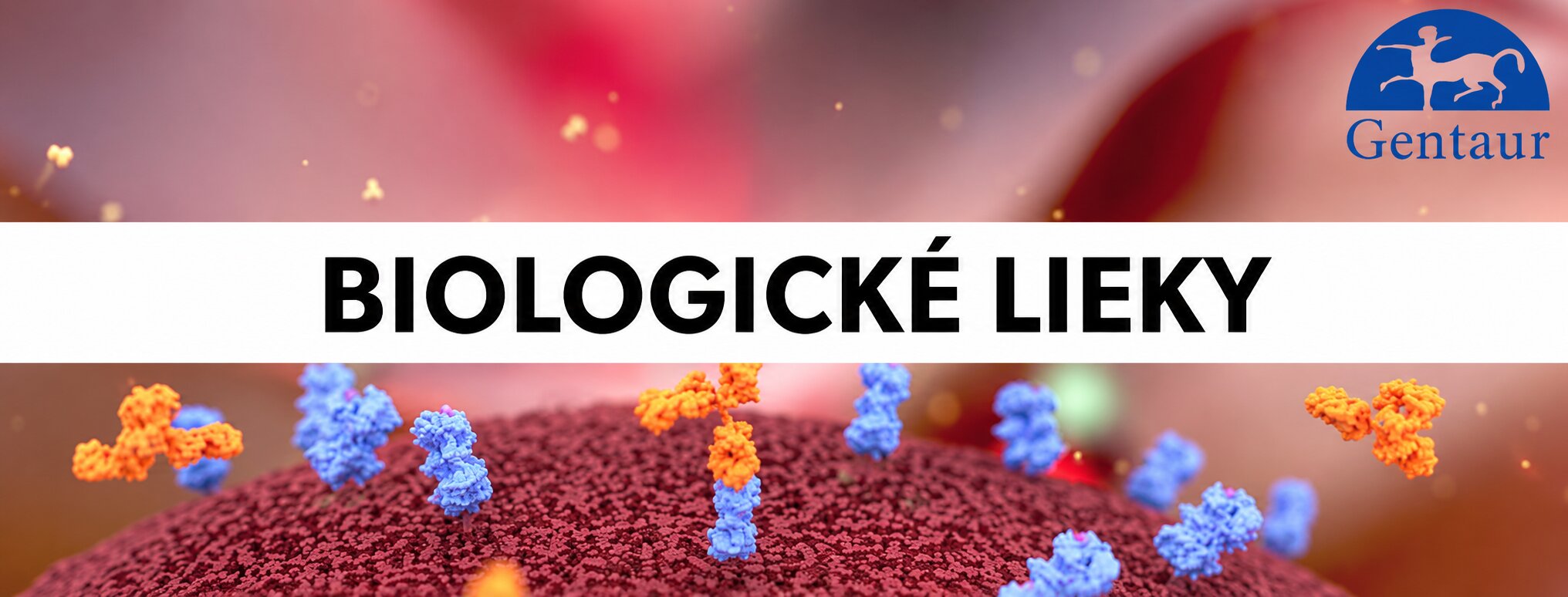
14
júl
Biologicke lieky – moderna era vo farmacii
Trh s farmaceutickymi a biologickymi liekmi ponuka siroku skalu pripravkov urcenych na liecbu mnohyc...
Čítať viac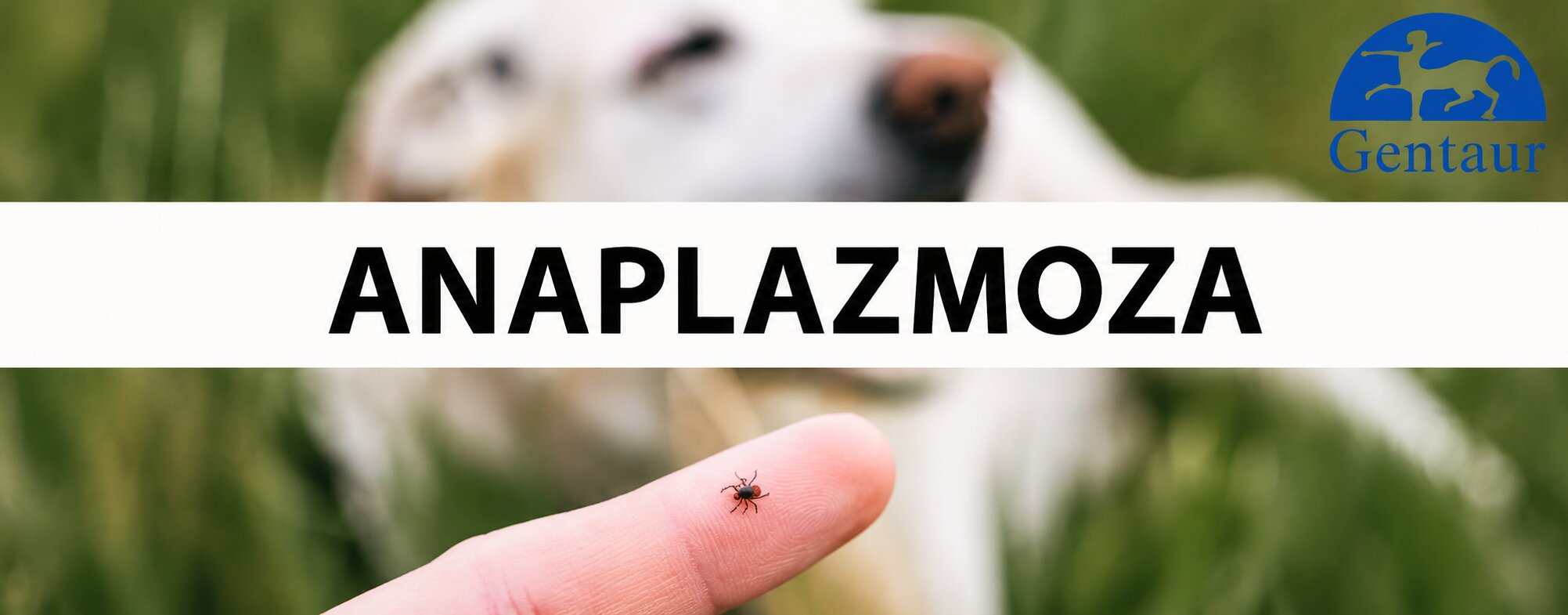
14
júl
Anaplazmoza – ako chranit domacich milacikov?
S oteplovanim pocasia rastie aj riziko prisatia kliestov. Tieto drobne pavukovce prenasaju mnoho roz...
Čítať viac
Slim Fit Plastic Coat
Qty :
TOTAL : € NaN
€120.52

€85.68

€69.34

€60.64
€60.2
€85.05
€60.08
€78.63

Slim Fit Plastic Coat
€120.52
colors
please select a Color
size
- S
- M
- L
- XL
- XXL
please select size
product details
- Brand : Zara
- Category : Blazers