- EXPRESNÉ DORUČENIE DO 24–48 HODÍN
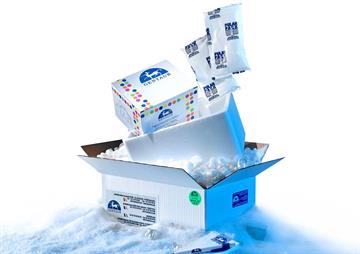
AGER Chemi-Luminescent ELISA Kit (Mouse) (OKCD03285)
1232.4EURO
1
Description of target: Mediates interactions of advanced glycosylation end products (AGE). These are nonenzymatically glycosylated proteins which accumulate in vascular tissue in aging and at an accelerated rate in diabetes. Acts as a mediator of both acute and chronic vascular inflammation in conditions such as atherosclerosis and in particular as a complication of diabetes. AGE/RAGE signaling plays an important role in regulating the production/expression of TNF-alpha, oxidative stress, and endothelial dysfunction in type 2 diabetes. Interaction with S100A12 on endothelium, mononuclear phagocytes, and lymphocytes triggers cellular activation, with generation of key proinflammatory mediators. Interaction with S100B after myocardial infarction may play a role in myocyte apoptosis by activating ERK1/2 and p53/TP53 signaling. Can also bind oligonucleotides. Receptor for amyloid beta peptide. Contributes to the translocation of amyloid-beta peptide (ABPP) across the cell membrane from the extracellular to the intracellular space in cortical neurons. ABPP-initiated RAGE signaling, especially stimulation of p38 mitogen-activated protein kinase (MAPK), has the capacity to drive a transport system delivering ABPP as a complex with RAGE to the intraneuronal space. RAGE-dependent signaling in microglia contributes to neuroinflammation, amyloid accumulation, and impaired learning/memory in a mouse model of Alzheimer disease.;Species reactivity: Mouse;Application: ;Assay info: Assay Methodology: Quantitative Sandwich ELISA;Sensitivity: 0.0137 ng/mL
Detaily produktu
Katalógové čísloOKCD03285
KategóriaObchod a priemysel > Veda a laboratorium
DodávateľAviva Systems Biology
Veľkosť96 Wells
Typslobodný
Ref: OKCD03285-96W
OKCD03285-96W - AGER Chemi-Luminescent ELISA Kit (Mouse)
Ref: OKCD03350
HC Chemi-Luminescent ELISA Kit (Mouse) (OKCD03350)
Ref: OKCD03531
GH Chemi-Luminescent ELISA Kit (Mouse) (OKCD03531)
Ref: OKCD03704
KL Chemi-Luminescent ELISA Kit (Mouse) (OKCD03704)
Ref: OKCD03326
BMP2 Chemi-Luminescent ELISA Kit (Mouse) (OKCD03326)
Ref: OKCD03615
IL10 Chemi-Luminescent ELISA Kit (Mouse) (OKCD03615)
Najnovšie články

26
jún
Pepsín – čo je to a kde sa nachádza?
V predajniach zdravej výživy a na rôznych internetových stránkach môžete naraziť na kapsuly obsahujú...
Čítať viac
Slim Fit Plastic Coat
Qty :
TOTAL : € NaN
€120.52

€85.68

€69.34

€60.64
€60.2
€85.05
€60.08
€78.63

Slim Fit Plastic Coat
€120.52
colors
please select a Color
size
- S
- M
- L
- XL
- XXL
please select size
product details
- Brand : Zara
- Category : Blazers